

Christopher Nolan’s “The Odyssey” was one of the most anticipated movies of the year. It was a revolutionary film that went where no other had dared to go. From shooting entirely on IMAX 70mm film to using practical sets and effects, Nolan has further solidified his place as one of the biggest directors of this day and age.
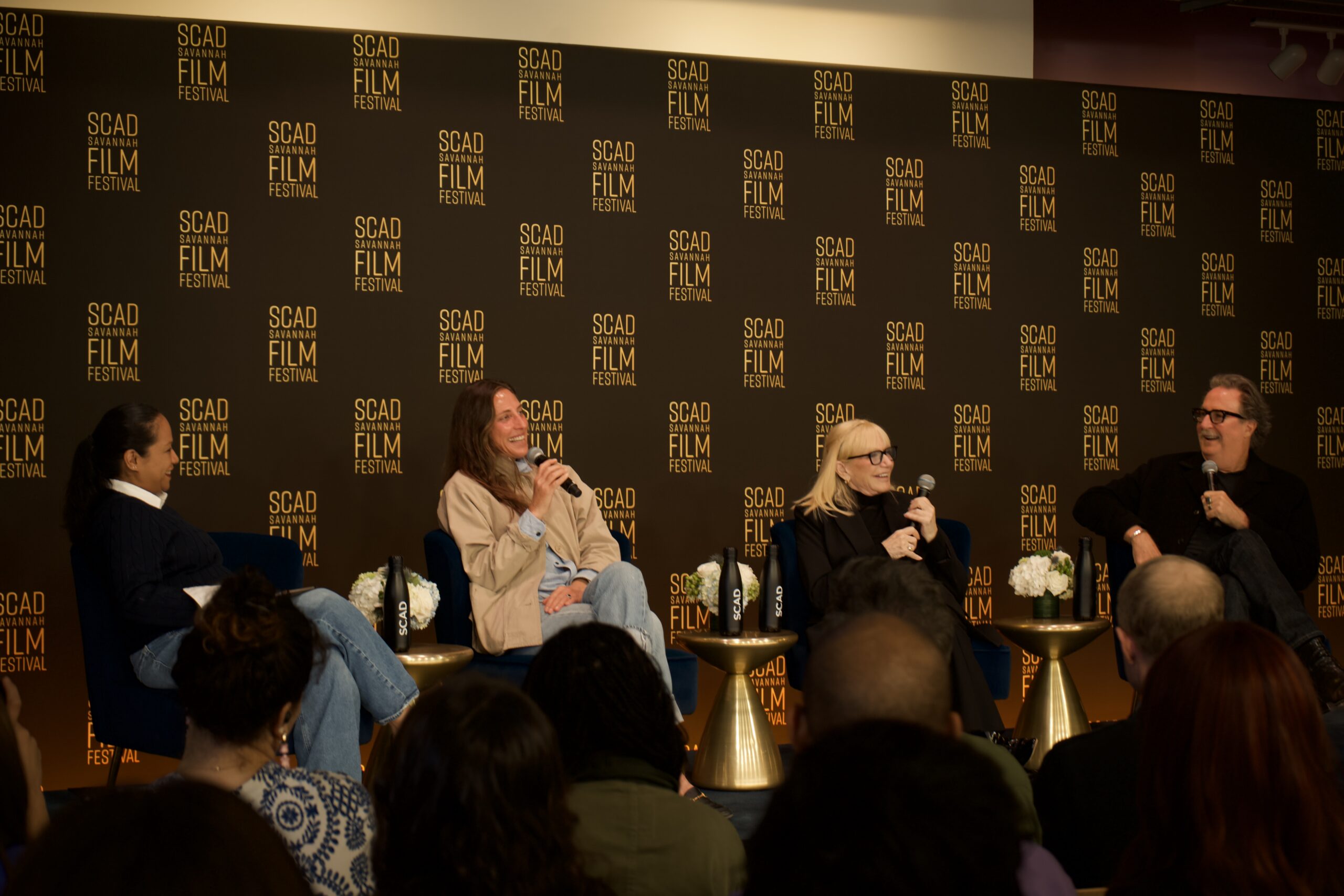
Some of his expert production crew sat down to speak about their roles in the making of the film. Casting director John Papsidera, production designer Ruth De Jong and costume designer Ellen Mirojnick shared fascinating insights on their various contributions and how they all came together to create this cinematic masterpiece. All of them had previously worked on “Oppenheimer” with Nolan and were brought back for their expertise. Just like them, many actors cast for “The Odyssey,” like Matt Damon, were already part of the Nolan franchise and were some of the first to be called in for his newest project.
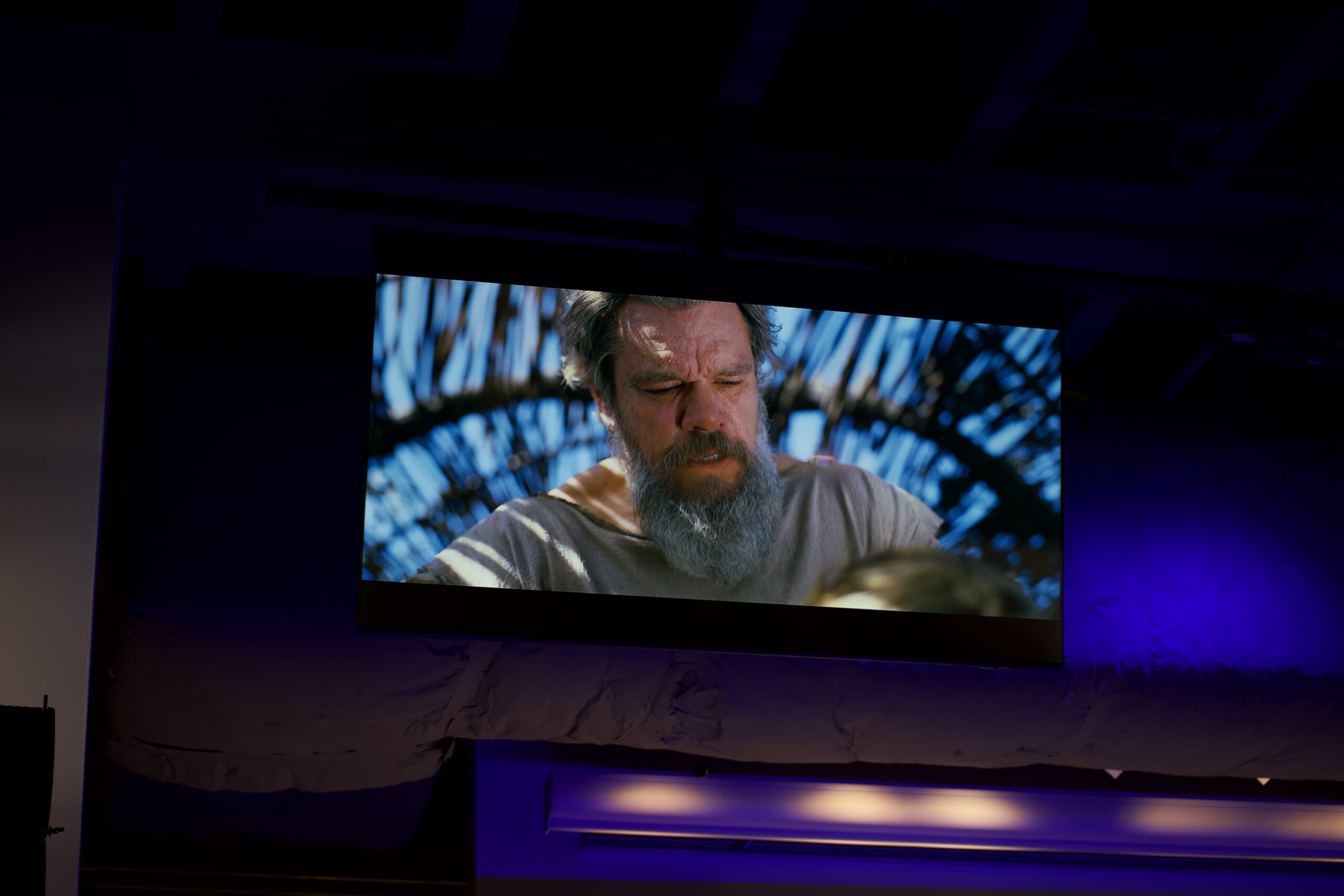
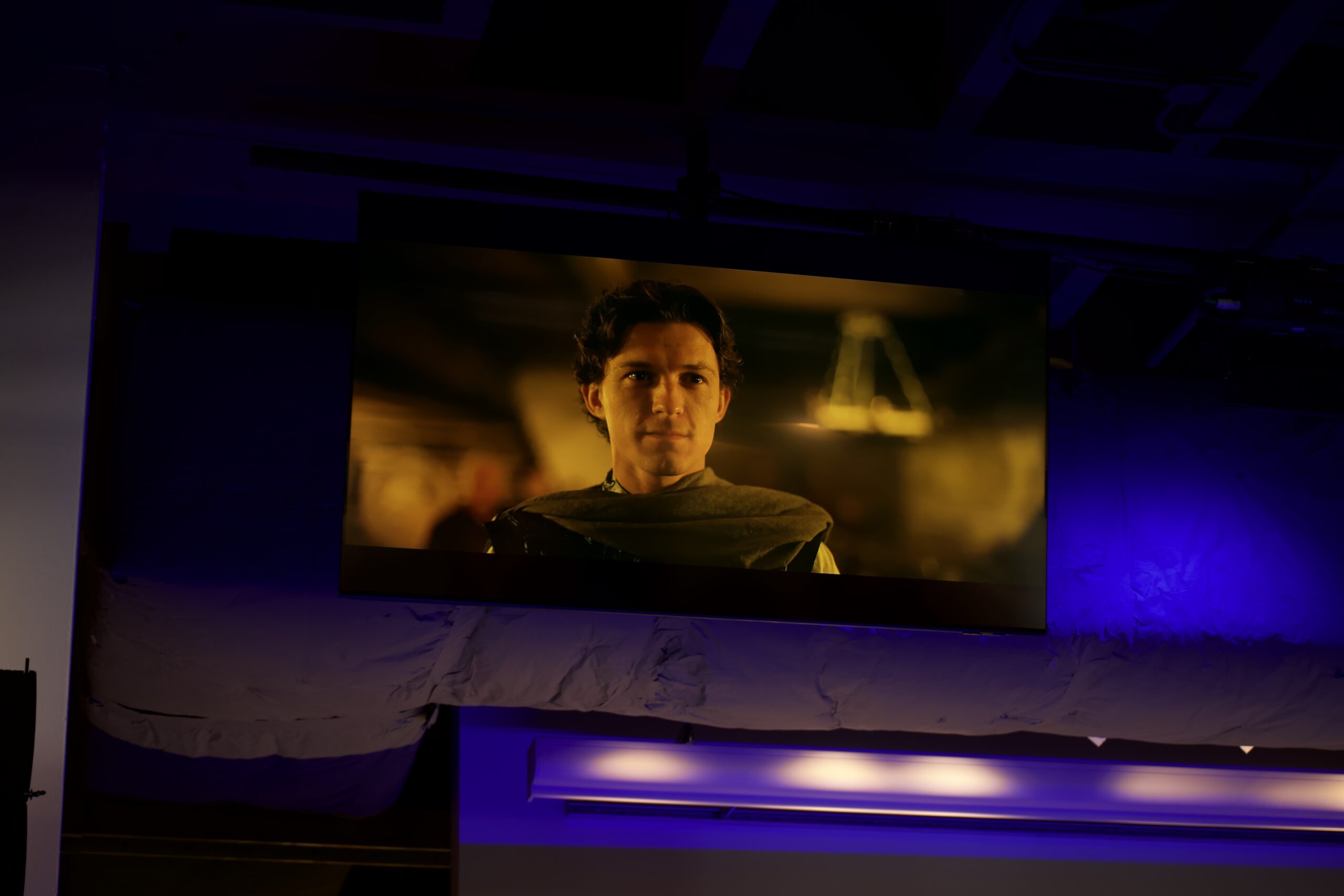
Papsidera noted that Nolan had more time to sit with this script before moving into preproduction, allowing him to have a better vision for what he wanted this film to be. Nolan knew specific details of the characters, like Odysseus being an American and a worker among workers, which helped narrow down the list of considerations. Once they nailed down Damon as their Odysseus, they built the world around him. Because the characters in this story are gods, goddesses, monsters, royalty and myths, Nolan wanted to cast larger-than-life actors and actresses. The result was an incredible collection of some of the most recognizable faces in film and television, all working together to bring this world to life.
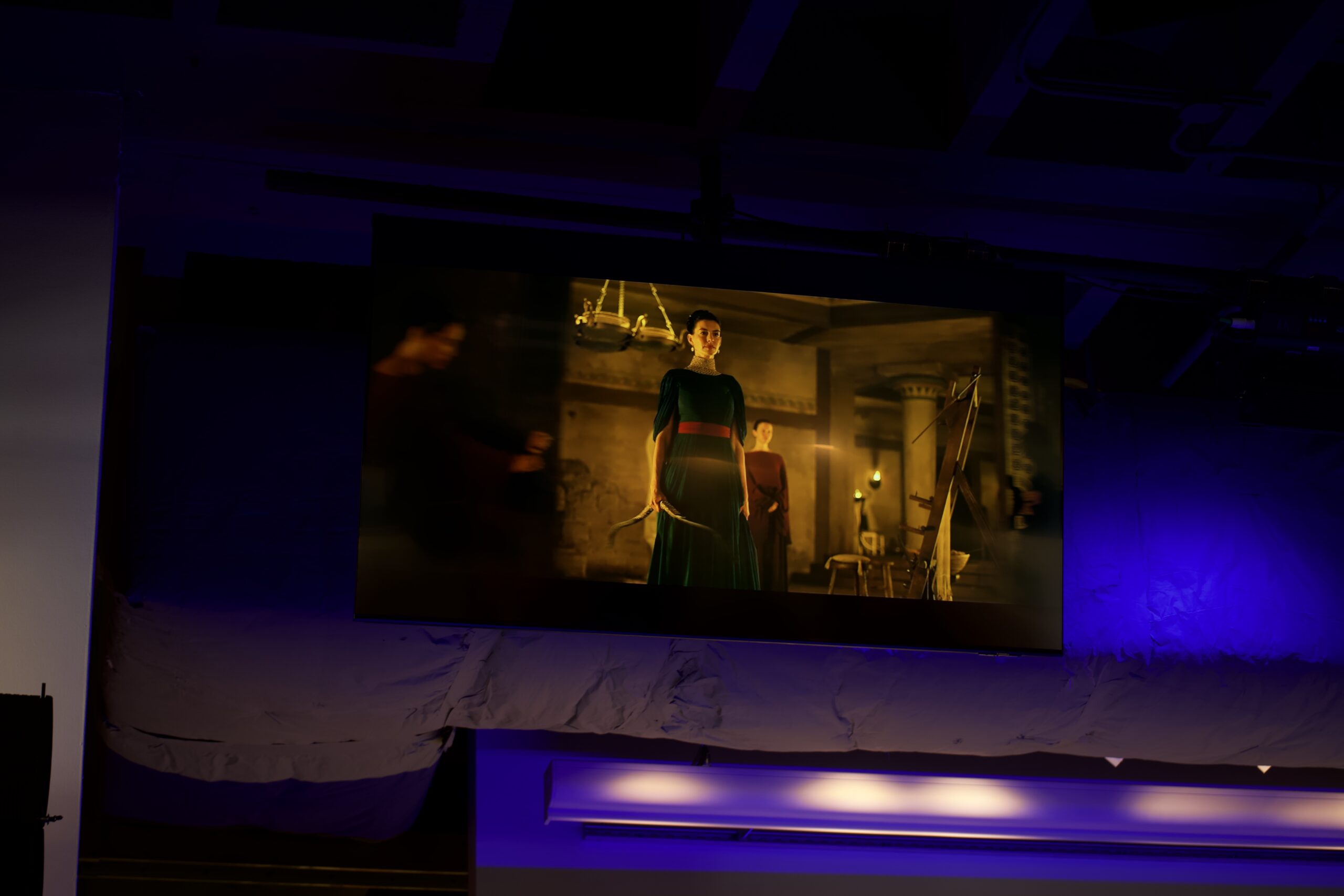
Nolan wanted this film to be grounded on Earth but feel like a completely new mythological world. They couldn’t lean on any preconceived notions or anything that had already been done. He wanted all of the sets to be full 360-degree environments and exist outside of a studio in the real world. Filming spanned six countries and was shot practically on both land and sea. He knew some specifics ahead of time, like Hades having to be filmed on a black-sand beach in Iceland. De Jong scouted countless locations alongside Nolan to find exactly what he envisioned. She selected locations based on flora, fauna and topography. Because the film was shot entirely on IMAX 70mm film, every little detail had to be intentional since it would be presented with extreme clarity on screen.
Nolan purposely built a world that rejected the decorative and sometimes sexualized mythology we have seen before. Instead, he favored that of a lived-in reality where the characters experience real hardship. Circe’s cabin was built atop a jagged cliff in Scotland to avoid the traditional fairy-tale setting and help tell the story of her banishment. The costume team created a gender-neutral look that incorporated pieces of everyone who had passed through her domain. Odysseus, throughout the story, is stripped by the many challenges he faces on his way home. He eventually returns as an invisible man who must reclaim what he once had. The goddesses are portrayed as strong and independent women who, at the end of the day, look out for themselves.
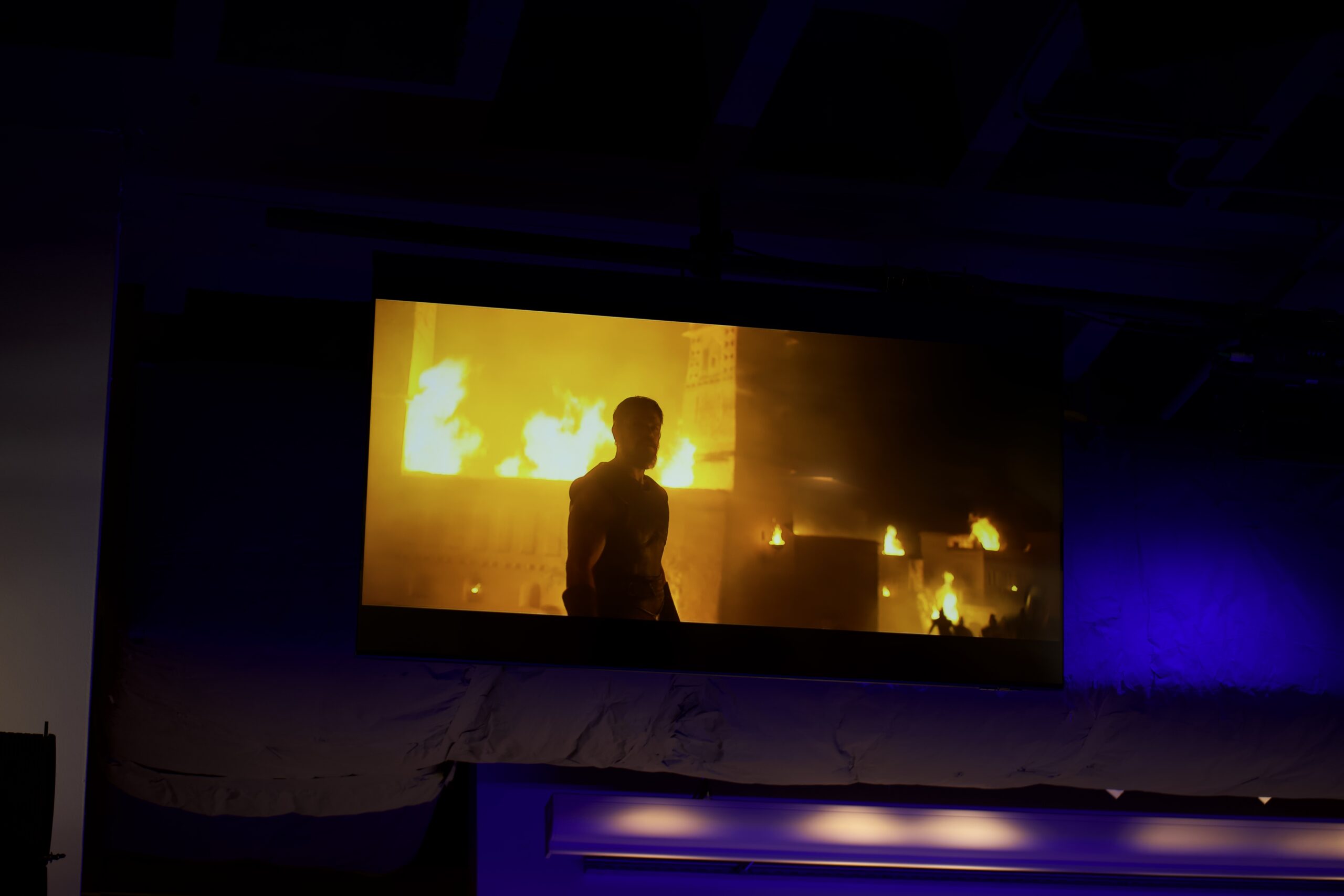
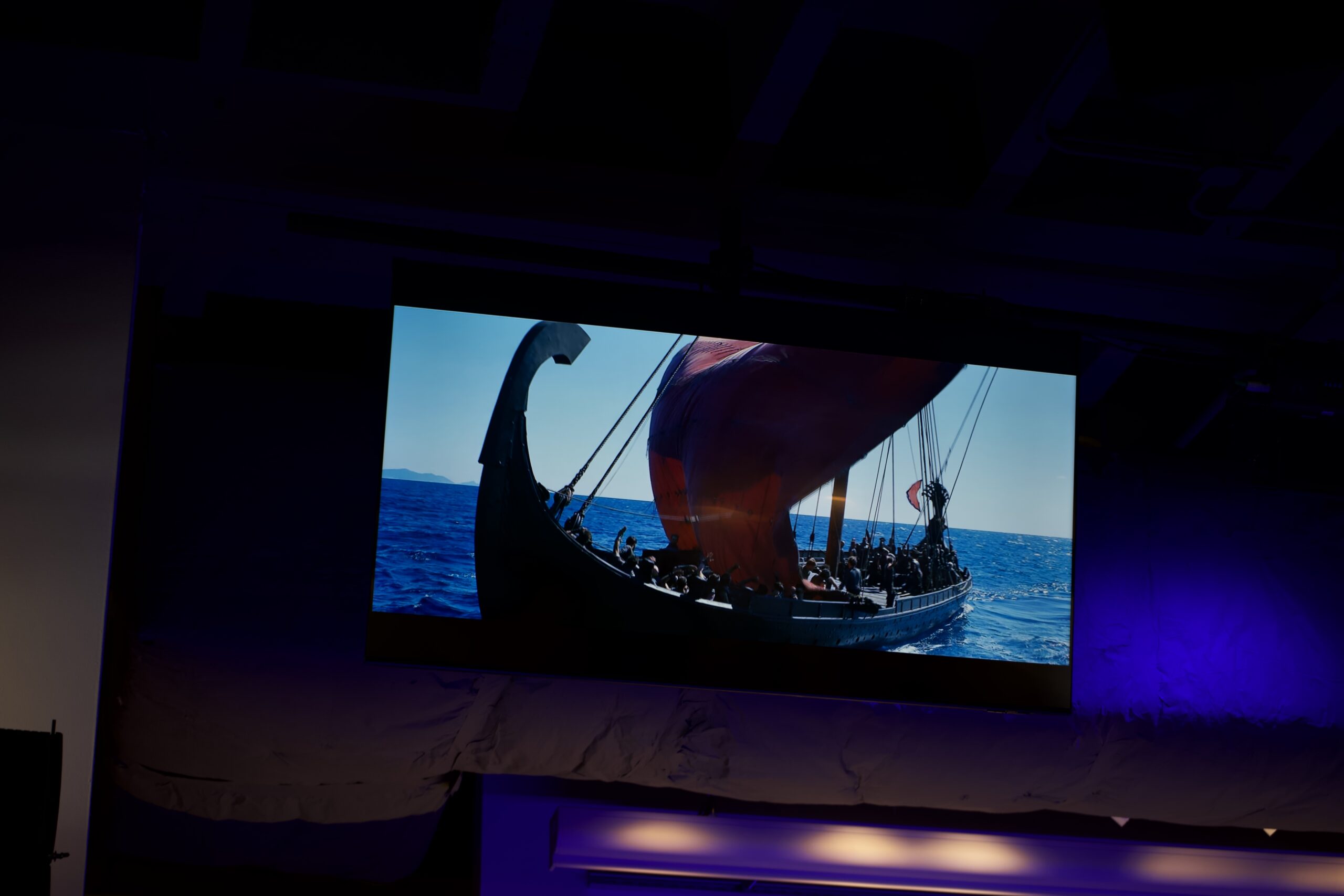
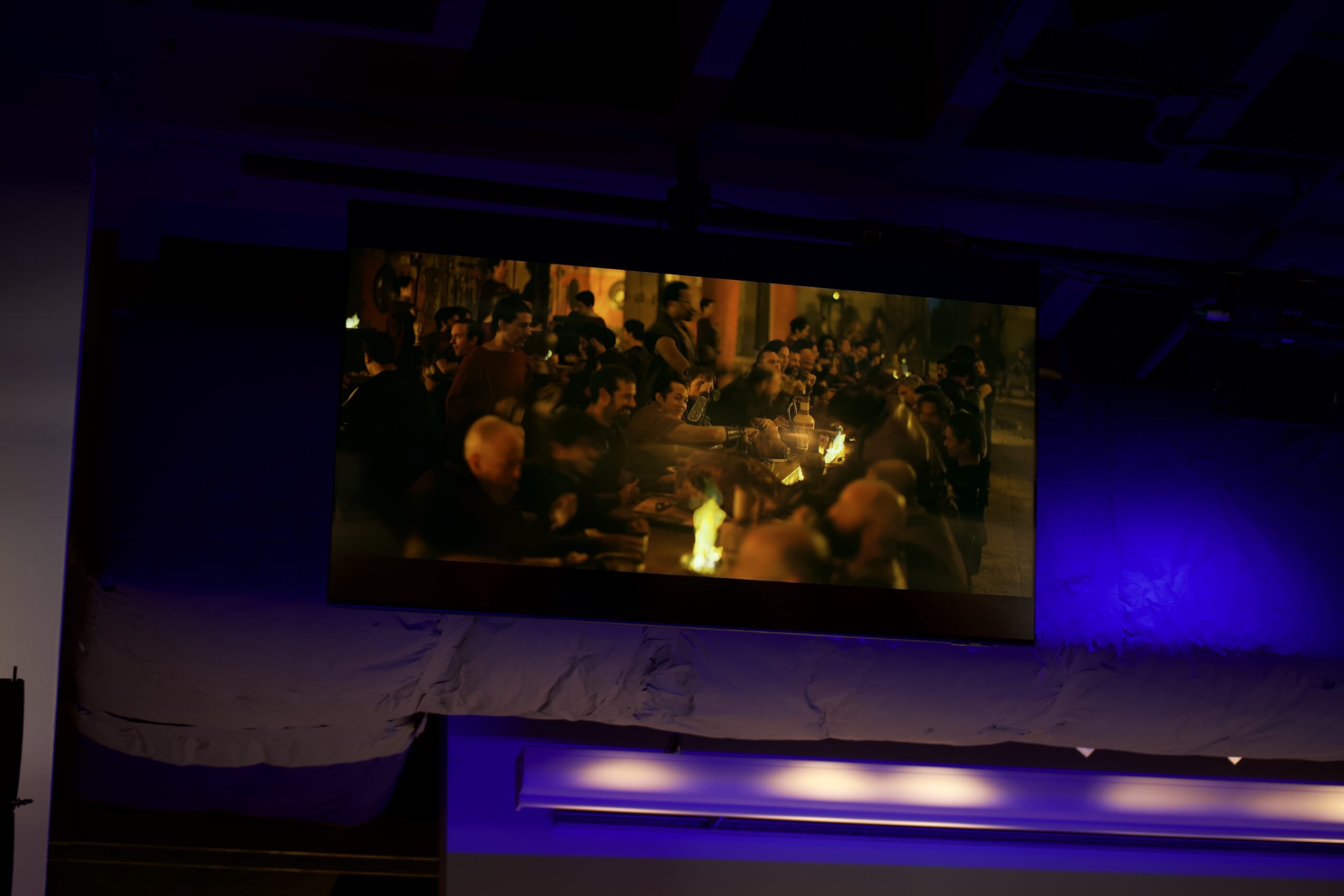
All three department heads spoke about Nolan’s highly organized and efficient production process. He spoke with each department separately about decisions while placing a high level of trust in them to execute. Individual departments worked largely in isolation, with occasional meetings to align the vision. Nolan’s priority is always what is best for the film, but department heads have open communication with him regarding changes when they see fit. The Nolan set environment strips down the noise that is present on many other sets. There are no phones, no sitting and minimal feedback from Nolan himself. Simply being a part of a Nolan project means that someone is extremely talented, so there is no reason to reiterate this. That kind of environment can be a difficult adjustment for people who haven’t worked with him before, but it ends up bringing out the best work from everyone involved.
Photos by: Marissa Stoll