
A face, a fleet, a war, a man, a thought, and a trick: the cleverest trick to break down Troy’s walls and burn it to the ground, screaming. Eponymously titled after Homer’s epic poem, “The Odyssey” transforms a man’s fight to return home into a booming ballad of chaos resolving into irrevocable peace. From the unparalleled roar of the waves against the wooden horse to the understated breezes accompanying the escaping sun, director Christopher Nolan and his talented cast and crew highlight the power of music in its rawest form: disparate sounds.
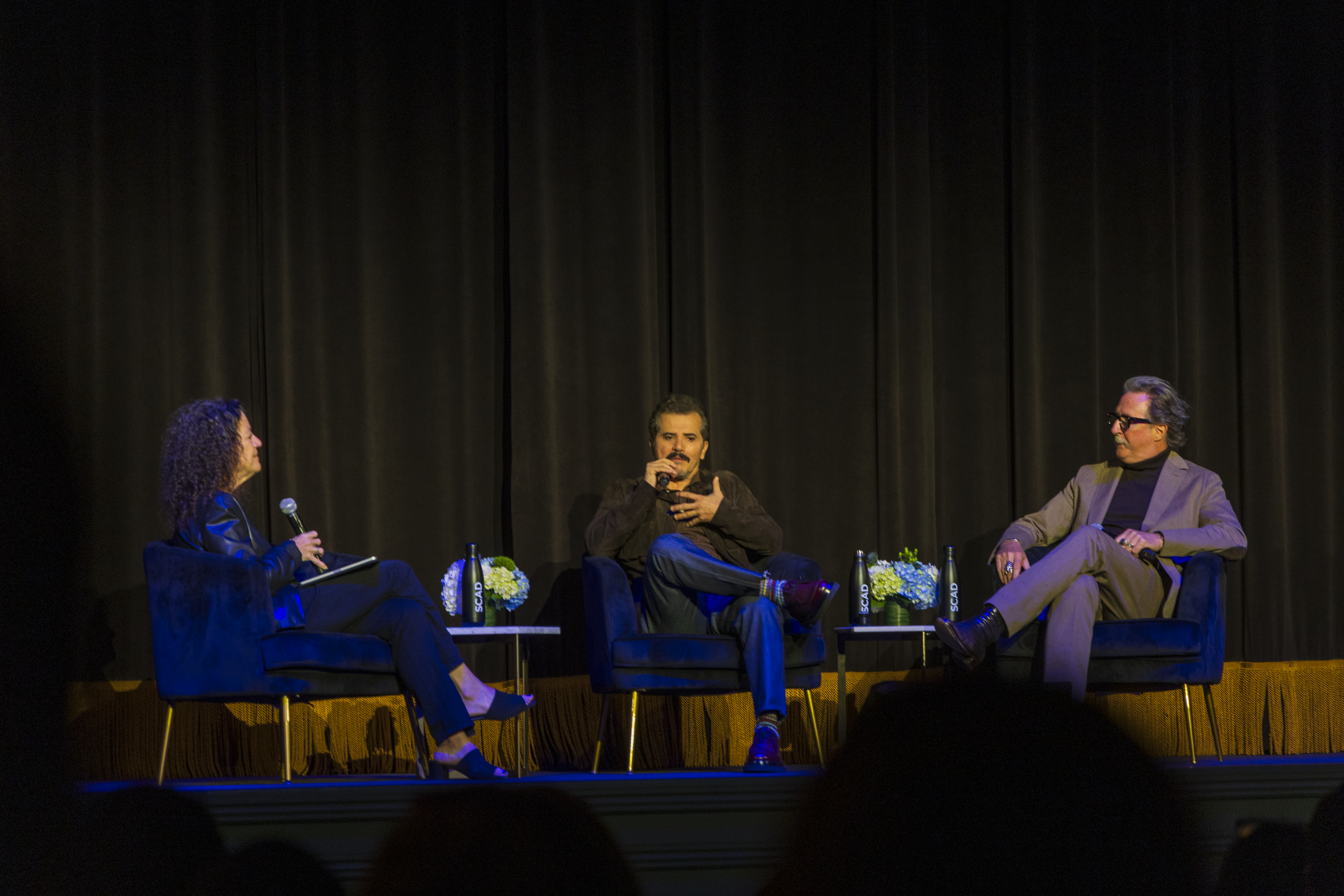
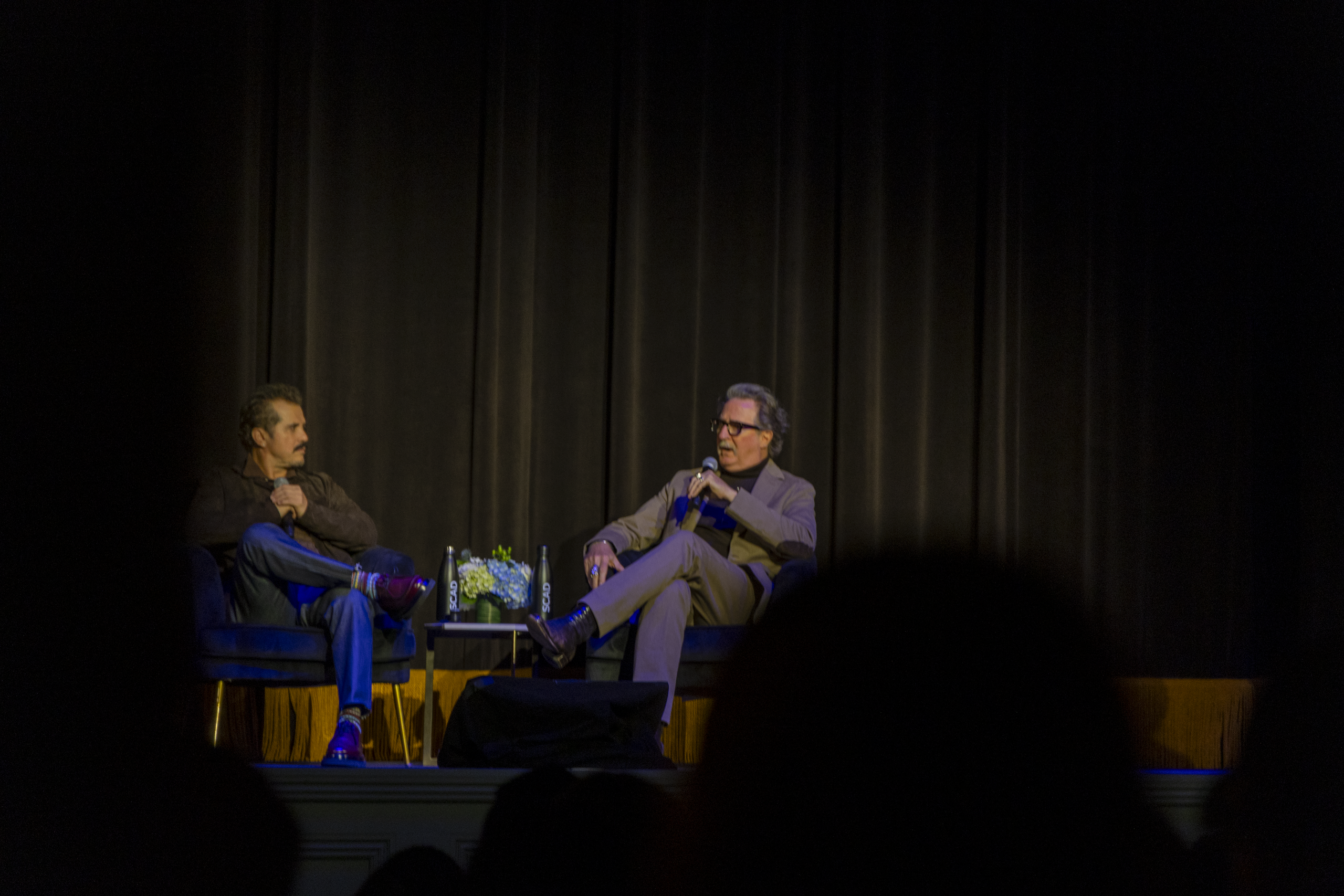
When in conversation with John Leguizamo and John Papsidera, it was clear that there was a desire to build a world extending beyond the walls of current cinema. “This is a work of art, not a film, a piece for cinema history,” expressed Leguizamo. Much to the surprise of the cast and audiences alike, the film opened with a musical tone. Although far from the styles of today, Bard, played by Travis Scott, poetically raps the opening monologue with thunderous outcries juxtaposed against the harsh realities of war. Each calling phrase invited a response from the wind, waves, and worn warriors, creating an alarming melody and establishing a scene for the epic action fantasy.
The shifting of the horse, the pain of the men within, and the vengeance of a nation informed the cinematic shift towards a violent tune. While seemingly separate sounds, they collided into dissonant cacophony as screams, slashing swords, and sacrilegious behaviors overtook the screen in the Trojan War. Music, arguably in its most primitive form, emphasized the inhumanity of war and the notion of victory at a cost. By highlighting the imperfections of humanity with rhythmic clinks of armor and writhing outcries, Nolan proposes that true beauty in a narrative stems from those less than perfect moments. This notion travels beyond the execution and into the behind-the-scenes work of the film, as Leguizamo mentioned a time constraint of three minutes of capture time for each set of IMAX 70 mm film.
Drifted away from the perils of war and lost in the land of Calypso, the movie wraps a mind-wiped Odysseus, played by Matt Damon, in an almost spatial soundtrack. Calm melodies combined with a deep resonance beautifully communicated the pain of a lengthened journey with unchangeable turmoil. The release of tension in the backing track announced the arrival of the epiphany that Odysseus must return home to reclaim his honor and his love, Penelope, played by Anne Hathaway. His valiant return reignited the violent tune of the Trojan War before mellowing down into an idyllic melody as he and his love finally chased the escaping sun on a boat into the unknown horizon.
“The Odyssey” crafted a narrative with diverse characters and casting that took a told story and gave it a new life. As Leguizamo so eloquently stated, “That diversity makes “The Odyssey” feel like it belongs to all of us.” Beyond the diversity of people, the film’s use of sound as the primal form of music, combined with an emotional soundtrack, creates a realm that supersedes cinema and invites us to be unashamedly raw and embrace our humanity in the face of the uncontrollable.
By Genesis Strother